Yes, you can have double glazing in a listed building, but it has to be sympathetic to the building and it normally needs listed building consent from your local planning authority before anything is installed. Slimline double glazing in a traditional timber frame is one option to discuss with your conservation officer.
The Short Answer
Yes. However, the work needs to be sympathetic to the building, and it normally needs listed building consent before installation. Every listed building is different, so what is accepted on one house may not be accepted on the next.
Listing protects the character of a building, and windows are a big part of that character. That is why glazing bars, frame sizes and even the look of the glass all matter.
Why You Need Consent First
In England, changes that affect the character of a listed building normally need listed building consent from your local planning authority. Carrying out that work without consent can be a criminal offence, so it is always worth having the conversation before anything is ordered.
- Speak to your conservation officer early: They can tell you what is likely to be acceptable for your building.
- Have drawings ready: Clear drawings show exactly what the new window will look like.
- Wait for approval: Nothing should be installed until consent has been granted.
What Slimline Double Glazing Means
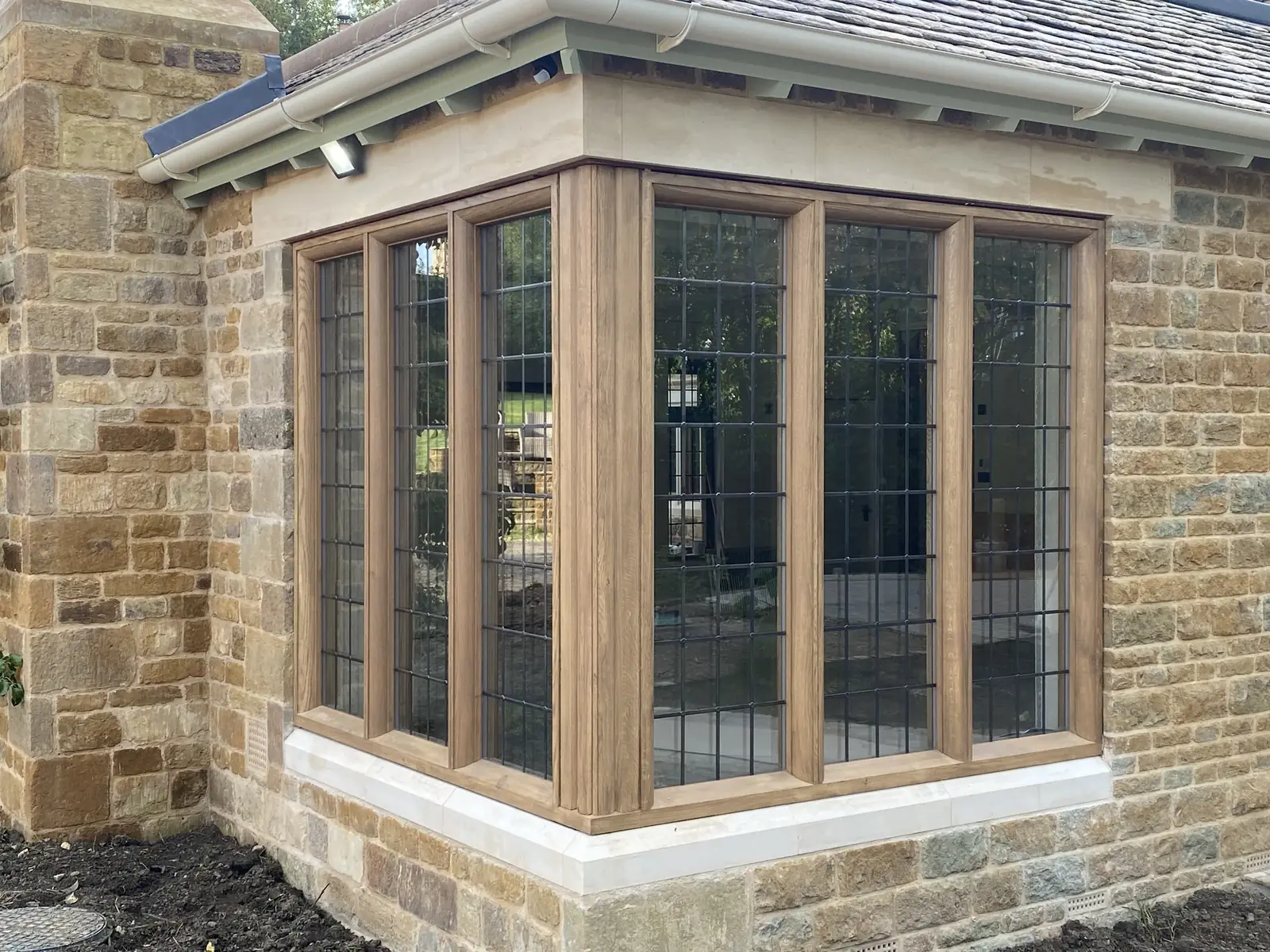
Standard double-glazed units are often too thick for a traditional glazing bar. Slimline units are much thinner, so they can sit in a timber conservation window with slender bars, keeping a period look while holding more heat in.
Slimline glazing is not automatically approved on a listed building. It is an option to discuss, and heritage glass can be part of that discussion too.
Matching What Is Already There
Where new windows are agreed, the aim is for them to look as though they have always been there. That means making timber windows in a style that matches the character of the property.
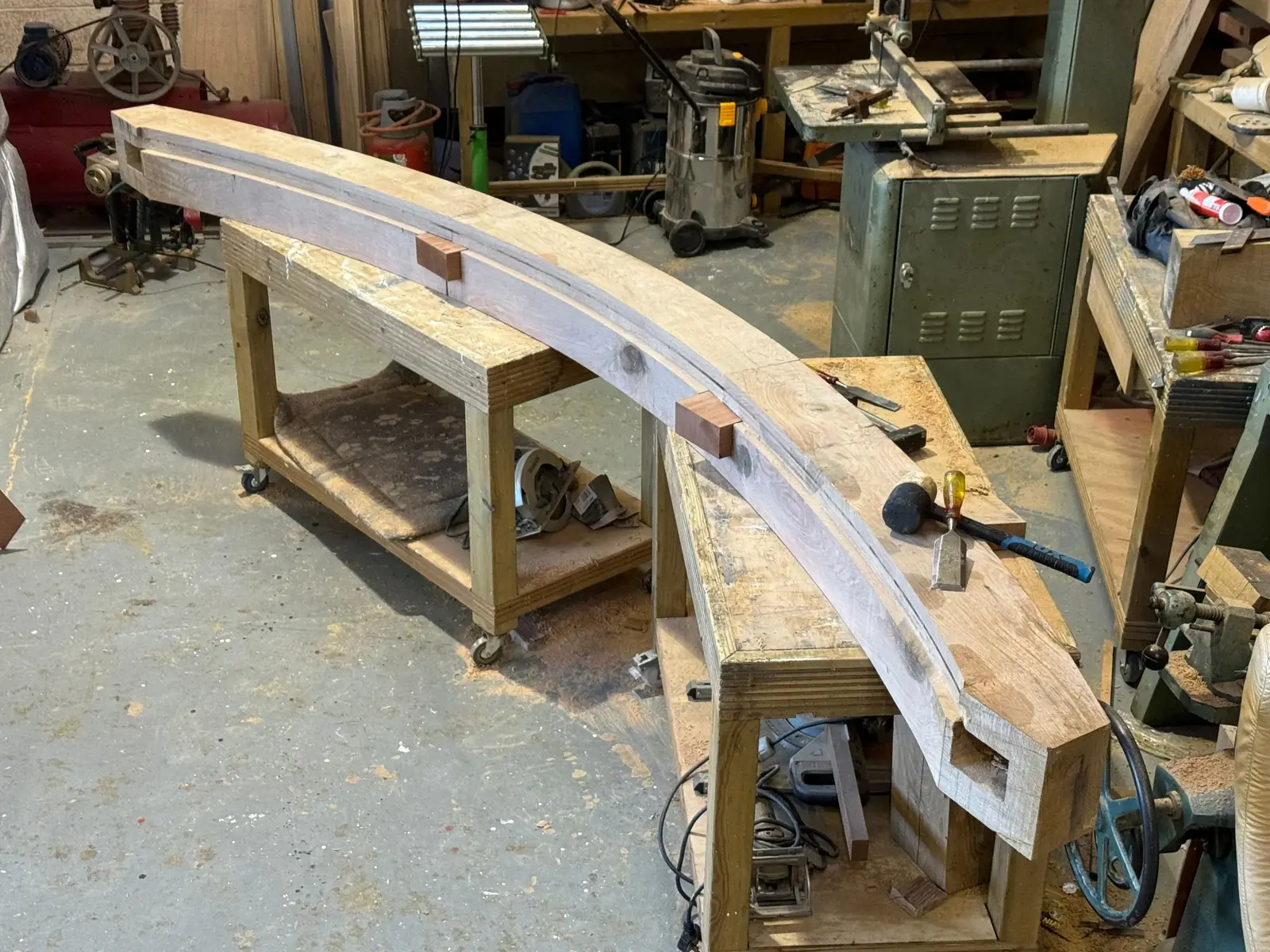
We make sliding box sash, Yorkshire sliding, flush casement and small cottage windows, using Accoya, hardwood or oak depending on the job.
What to Do Next
Take photos of your windows, note rough sizes and check your building's listing and grade on Historic England's National Heritage List. Then share what you have with us, and we can talk through the options for your property.
Frequently Asked Questions
Conservation areas have their own rules, which can be different from listing. Check with your local planning authority before changing windows.
No. It depends on the building and on your conservation officer, so talk it through first.
Yes. Listed buildings are our speciality, and we make all of our windows in our Rutland workshop.